Cinematographer Kristy Baboul on Love Me Tender
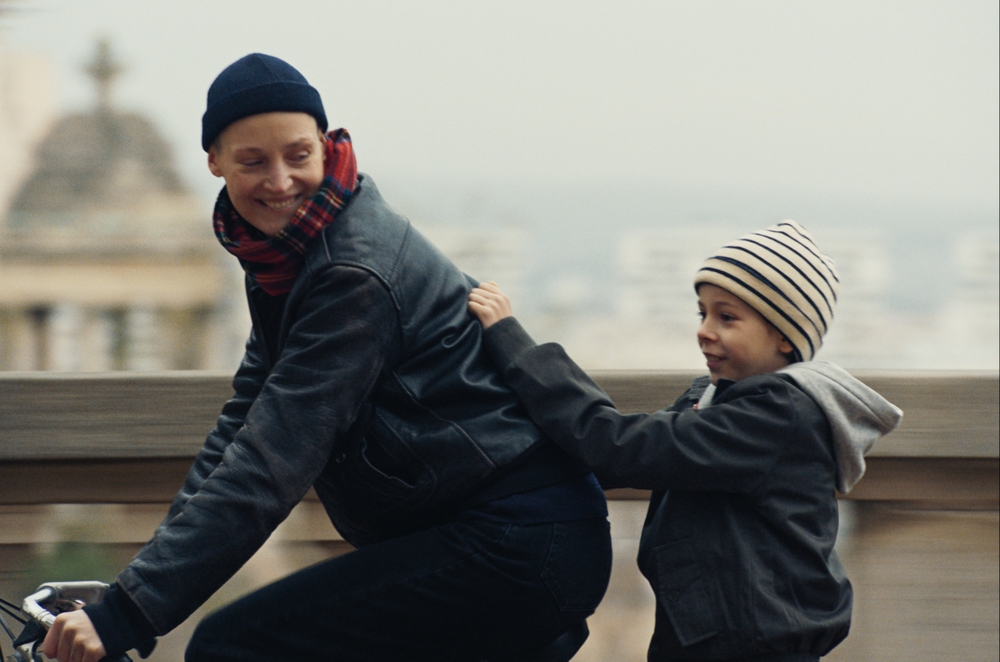
In this interview, cinematographer Kristy Baboul looks back on Love Me Tender, director Anna Cazenave Cambet's second feature film. Involved in the project from the scriptwriting stage, the cinematographer worked with Panavision Paris to select his camera and lens package, which included Alexa 35 cameras and Panavision Primo primes. Here, he discusses his preparatory work, maintaining consistency in the lighting while shooting the two-and-a-half-year narrative out of sequence, and how choices made with lensing and framing served the emotions of the main character.
Panavision: How did you become involved in the Love Me Tender?
Kristy Baboul: I had already worked with Anna on Gold for Dogs [De l’or pour les chiens]. For Love Me Tender, she brought me on board very early on, right from the initial writing stages. This meant I was able to follow the script’s development and discuss the film’s visual language with her well before shooting began. 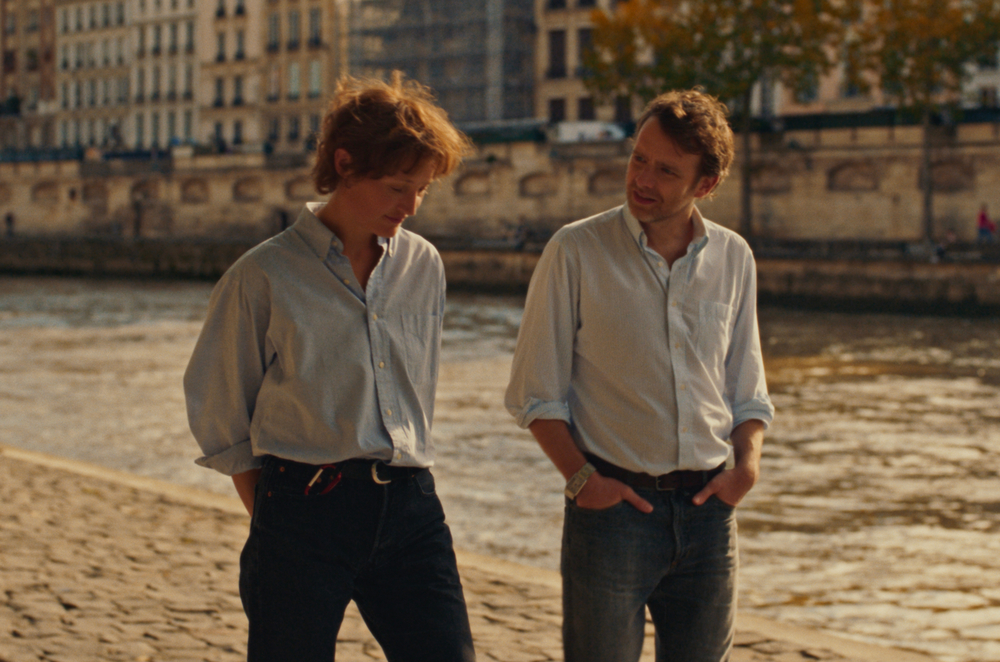
How would you describe the look of the project?
We worked on the look of the film ahead of shooting with colorist Laurent Ripoll, who offered us several possible directions in terms of contrast, colors and above all textures. The story spans two and a half years and covers all the seasons, but we didn't shoot chronologically. With gaffer Thomas Lefourn and key grip Robin Gaillard, we therefore had to find a real visual consistency, lighting that could accompany the emotional journey of the main character [Clémence] played by Vicky Krieps.
The variations in lighting were designed to provide narrative breathing space. For example, the last third of the film plunges us into a gray, cold, sometimes dark winter, which accentuates by contrast the light and warmth found in the final scene. The frame widens, as does the focal length, and like the character, the film regains perspective. Despite the themes it addresses, Love Me Tender had to remain a luminous film.
Were there any particular visual references that inspired you?
Anna and I explored many references: the work of photographer Lise Sarfati; German cinema, notably Wim Wenders, whose films The American Friend and Wings of Desire inspired us with their approach to color and night scenes. We often mentioned the films of Andrey Zvyagintsev, which were invaluable for their rigor and precision of framing. James Gray, and especially Two Lovers, was also an important reference for his way of filming the city.
But the reference that has most profoundly influenced our work remains Andrei Tarkovsky, and more specifically The Mirror. This film accompanied us from the beginning of shooting to color grading, as much for its visual poetry as for its relationship to light, contrasts and matter. 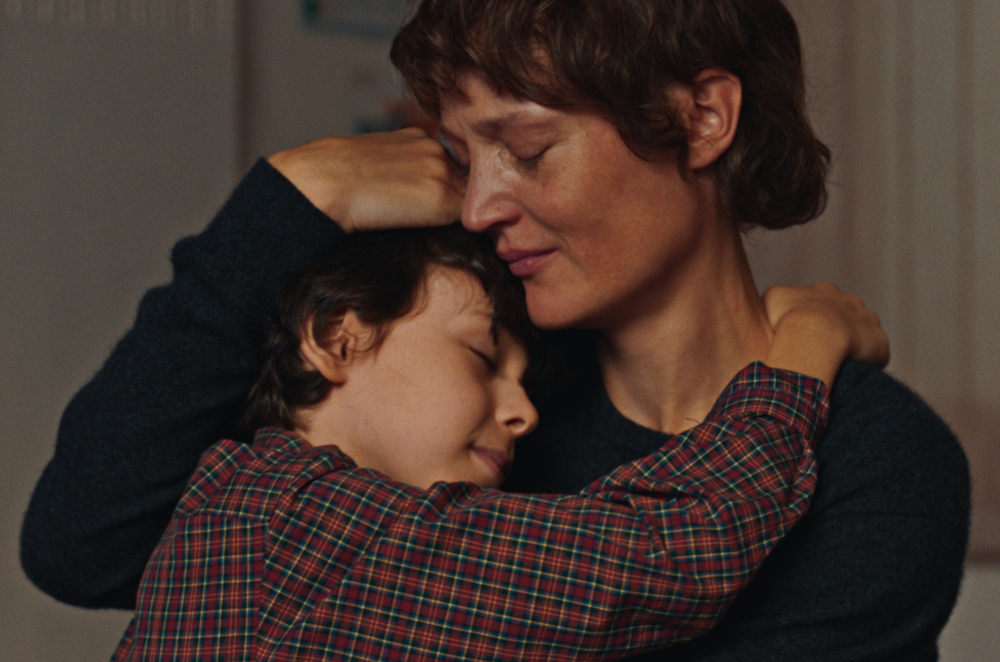
What brought you to Panavision for this project?
My relationship with Panavision dates back to an internship I did in Woodland Hills when I was a student. Since my first film as director of photography, Panavision has always been there for me and supported me, especially Alexis Petkovsek [feature film sales director at Panavision Paris], who has often helped me make the right choices.
I have always been fascinated by the richness of Panavision’s optical equipment and the solutions they are able to provide. For Love Me Tender, I debated for a long time between several series: I was very attracted to the Ultra Speed and the H Series, and for a while we even considered shooting in anamorphic.
What attracted you to the specific lenses you chose?
For me, choosing lenses is something instinctive, almost intimate. Anna was initially drawn to anamorphic lenses, but the excessive distortion put her off. Panavision then suggested modified Primo lenses. At full aperture, they produce a slightly oval bokeh, reminiscent of anamorphic lenses but in a more controlled way. This subtle stylization suited Anna perfectly, particularly for reinforcing the idea of filming her character as a ‘lonesome cowboy.’
I also used Zeiss Super Speed lenses. At full aperture, they offer a very soft, almost milky rendering, ideal for intimate scenes, such as the character's last romantic encounter. In my opinion, by closing them down a little, they become more precise, more ‘sharp,’ which allowed me to adapt the visual sensation to the emotions.
Finally, we worked a lot with long focal lengths and a zoom lens, especially when filming Clémence in the city. This compressed the space and reduced the perspective, as if Paris were weighing on her. This choice accentuated her isolation while allowing us to film her from a distance, discreetly, without ever disturbing the actress and her character. -1000x668-928b57e.jpg?sfvrsn=12ec0645_1 "Love_Me_Tender_DSC3865LOVE-ME-TENDER_J5-(1)-1000x668-928b57e")
Cinematographer Kristy Baboul (photo by Sarah Makharine).
What inspired you to want to become a cinematographer?
That's a difficult question, but I know that my passion for cinema, literature and painting, especially anything related to light and shade, is the basis for it. For me, cinema is a unique way to convey emotions and create identification. The ability to visually translate words and a script, and to work with an author to find the most accurate way to express what they want to say — that's probably what made me want to become a director of photography. Even today, what inspires me is still that quest: finding the right light, the right frame, and now, the right texture.
Frame grabs courtesy of Tandem Films.
Related Products and Services
This is a carousel with manually-rotating slides. Use Next and Previous buttons to navigate.

