1st AC Dave 'Super Dave' Egerstrom on the art of anticipation
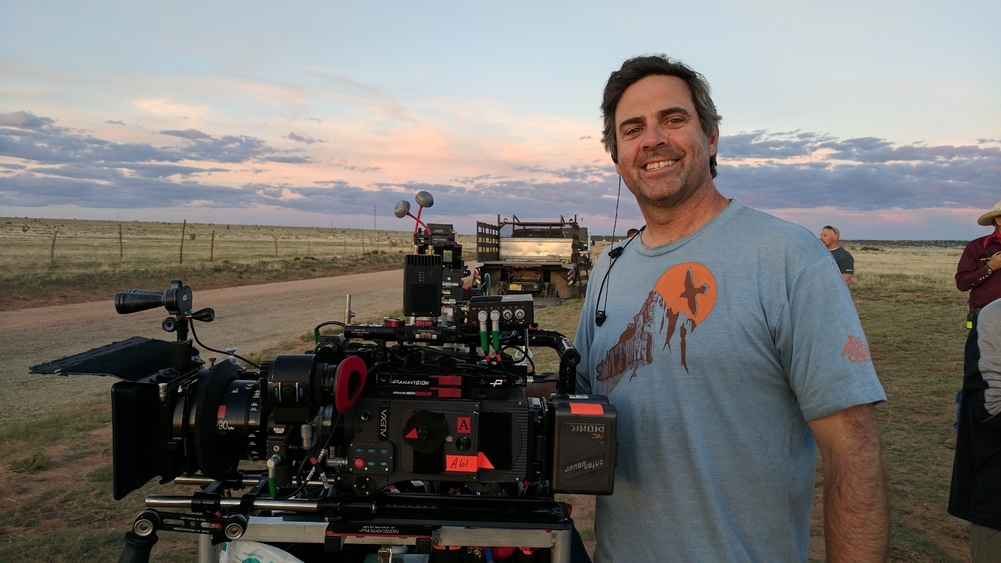
First AC Dave Egerstrom, known to colleagues as "Super Dave," has built a career defined by preparation, instinct and an unwavering dedication to keeping the camera department running at full speed. With more than 30 years in the industry, Egerstrom's credits as A-camera first assistant span features and long-running series alike, including eight seasons on Castle, as well as El Camino: A Breaking Bad Movie, Stealth, Animal Kingdom, Never Been Kissed and Kicking & Screaming.
Along the way, he has been shaped by mentors including cinematographers Lloyd Ahern II ASC and Bill Roe ASC, and he credits his start in the business to camera assistant Sean O'Shea, who first brought him onto a set in Hawaii. Egerstrom reflects on the path that led him from a psychology degree to the camera department, the art of anticipation that defines his approach to the job, and the Panavision support system he relies on to solve problems no one person could tackle alone.
Panavision: What inspired you to work in the film industry? And what drew you to the camera department?
Dave Egerstrom: I always loved photography. I didn't think it was an option for me as a profession because I didn't really think of the movie side of things — I thought more about still photography. And like any art, your art can be great, but if you're not a good self-promoter, you're going to languish. If you can't sell your art, it's going to be a hobby.
I studied photography in college, but I was a psychology major. I graduated from [Cal State] Northridge with a psychology degree, and I knew by about my junior year that wasn't what I wanted to do. But I was like, 'I just need to finish, get my degree and figure out life.' I'd always done stage lighting, theatre work — all through high school and college. So I had a background in lighting, theatre, still photography, all that stuff.
Then a friend of mine, camera assistant Sean O'Shea — I owe everything to Sean — he called me and said, 'Hey, I need a hand in Hawaii. You want to come over here and be a camera trainee?' So I said, 'Sure.' I moved out of my six-story apartment building in Northridge on January 10th, 1994. If you know the date, January 17th was the earthquake. I put all my stuff in storage and then a week later the building was red-tagged. Just weird timing.
I worked with Sean as a trainee and I said, 'Okay, this is what I want to do.' And then I did it and I thought, 'If you can make a living doing this, this is pretty awesome.'
Can you take us through your process? What does a day in the life of a first AC look like?
Egerstrom: First is hiring people that know what they're doing, people you can trust to do the job. You verify, but you trust. Once you have that in place, you can concentrate on the bigger picture — what are we doing, what are we shooting, what are they going to need?
This whole job of being a camera assistant is about anticipation. It's looking at the DP, the director, seeing what's going on, reading the room, and going, 'What are they going to ask for?' — and having that ready before they ask for it. Say we have a shot going from an elevator to the desk and it's going to be Steadicam. Before someone says, 'Hey, Steadicam's up,' it's already here, ready to go. A fight scene, that's going to be handheld. I have all those things ready.
It's about trying to stay ahead. That's also true when you get a new script. Some people say, 'I don't need to read the script,' but you've got to know the story points and know what's going to happen, otherwise you're going to get behind the curve. We don't get to go on the preps or the tech scouts. So once you talk to a director and get a feel for their style, you start to figure out their go-to moves, or what they'll reach for when they get behind in the day. Figuring those little things out will really help you.
When you're there on set and you already know, 'This is the right tool for the job,' you might even suggest it because it'll save time. But you have to go through the right channels. You go to your operator and DP and say, 'Don't you think this might be the way to do it?' You want to respect the process and respect the chain of command. They might have a reason why they don't want to. So you don't make it a general announcement — you suggest it quietly.
You've spoken about the importance of learning from those you work with. Who were some of the key mentors early in your career?
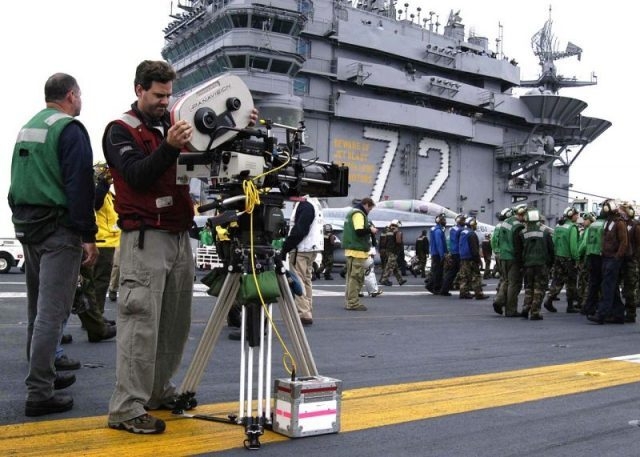
Egerstrom: I was very lucky when I first got in. I was loading and just starting to second, and then I worked for a person named Ricky Mention, everybody called him 'Rocket,' and he'd been a first since the '70s. So he'd been doing it 20-plus years when I started with him. He would just look at something and say, 'Go grab this,' and he knew exactly what was going to happen. But he was also simplistic about it — 'We don't need a lot of stuff, we just need this.' He was one of the masters of knowing what they're going to ask for before they ask for it.
I was very lucky to work with a great group of people that I learned under, the O'Sheas, Llyod Ahern, Bob Foley. And then doing Castle with Bill Roe for eight years — god, you learn a lot from him. If you make the person you're under's life easier, they don't want you to leave.
What's the best advice you've ever received?
Egerstrom: This is the one that really sticks with me. Lloyd Ahern was a DP, his father was a DP too. I was a loader on a show in the late '90s. The show was going to get canceled after 13 episodes, and we had a few episodes left. I got an offer to be a key second on a second unit — a big visual effects thing. And back in the day, you had to ask permission to leave a show. You could burn a bridge forever. Taking a day off required an act of God.
So I go to Lloyd, he's a very gregarious guy. I said 'Lloyd, I got this job offer — big VFX second unit, I'd be the key second.' And he says, 'If you don't take that job, I'm going to fire you. Only your friends want to see you do better in this world. Those that want to keep you in the same position — they're not your friends.' And then he said, 'When you come back and work with me as an assistant in the future, you're going to be a better, smarter assistant. My job's going to be easier, so you got to go take that.'
I ended up doing countless shows with him later as a key first. But that's the advice that stuck: 'Only your friends want to see you do better.' And of course, he doesn't even remember saying it. I sent him an email on his birthday recently and he said, 'I said that?' I said, 'Yeah, you did.'
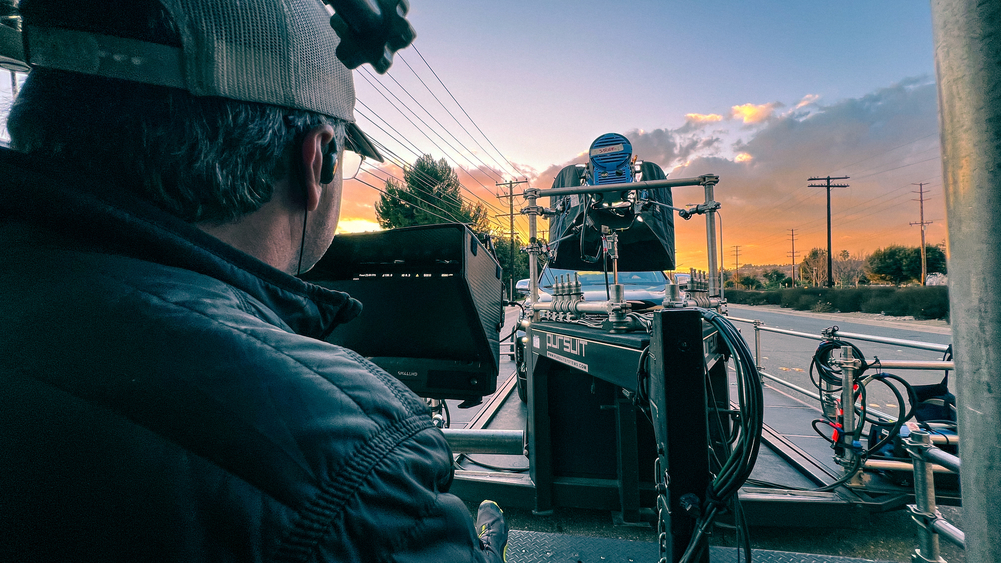
How has the job evolved over the course of your career?
Egerstrom: The evolution between film and now, the amount of gear today is the real thing that's toughest to keep ahead of. You go on a show and 10 years ago it was all Canon 5Ds and stuff like that. Now it's FX3s, Blackmagic, and those things turn over every two years. But the core of it is how you power it, how you get all your accessories going, and then you get into the workflow side of it. Thank god for DITs.
That's the thing, if you come to work prepared, you're never going to be a fool on set. Things get tough, things can take time, but if you approach things right, you do pretty well. I've gotten to work with a lot of people way better than me at what I do. You take those moments and you learn from them.
What do you enjoy most about prepping at Panavision?
Egerstrom: The support. That's everything. I can go in and say, 'Hey there's something with this lens. Is Brian Mills here? Is Dan [Sasaki] around? I'm having trouble with X, Y and Z.' And they'll get into it, and all of a sudden I'm telling them all my problems. 'Okay, we'll get it fixed. We'll get on it.' The support and the optics are unparalleled, in my opinion.
When I need a favor or need to solve something, I know exactly who to call. I'll say, 'This is my issue, how can we solve this?' And then all of a sudden I've got a team of people working on it. Depending on the issue, I can get Lindsay [Basile], or Dan, or whoever I need. They'll all start working on it, and then they get back to me with things I would never figure out on my own. I look really smart because of it. That is my favorite part, the camaraderie, and the knowledge that I have a big team behind me to solve all the things I can't figure out on my own.
And finally — how did you get the nickname 'Super Dave'?
Egerstrom: It was a nickname I got from Sean [O'Shea] before I even got into this business. And I always say, 'It's just like calling a fat guy slim.'
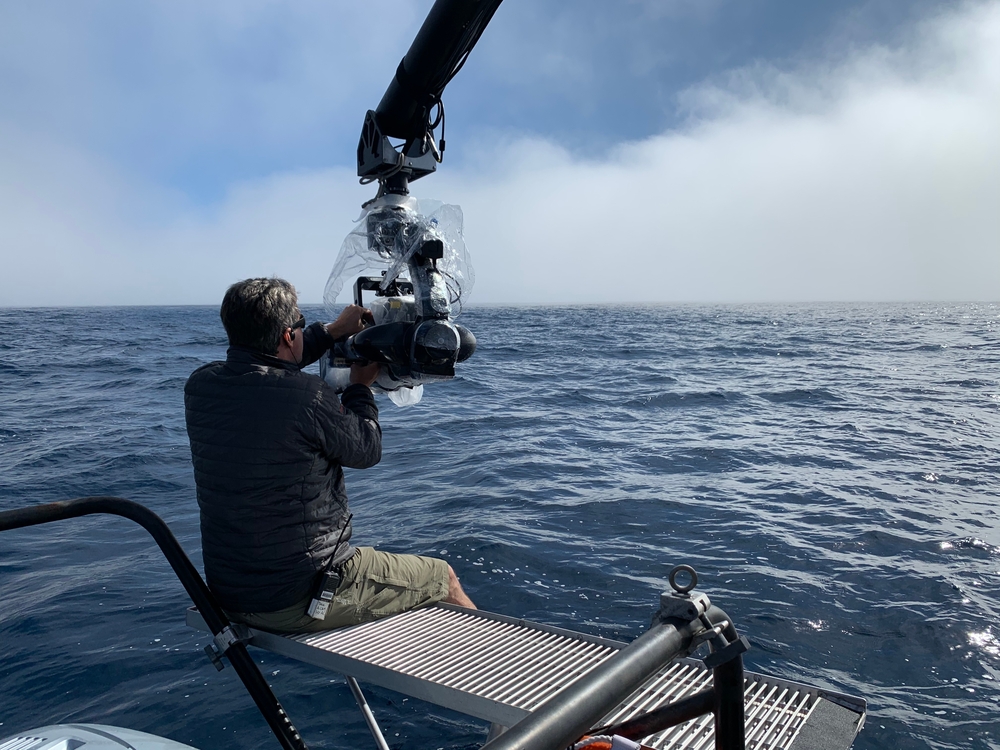
All photos courtesy of Dave Egerstrom.